
How to Make Matcha Latte at Home (Step-by-Step Guide)
Matcha latte is a smooth, creamy, and energizing drink that has become extremely popular among tea lovers and coffee drinkers alike. Known for its vibrant green color and rich flavor, a matcha latte provides a steady energy boost without the sudden crash often associated with coffee. Matcha is made from finely ground green tea leaves, meaning you consume the entire leaf and benefit from its full nutritional value. Learning how to make a matcha latte at home allows you to enjoy café-quality flavor while controlling sweetness, milk choice, and strength to suit your taste.

What Is a Matcha Latte?
A matcha latte is prepared by blending matcha green tea powder with hot water and milk. Unlike traditional green tea, where leaves are steeped and discarded, matcha powder is fully consumed. This gives the drink its distinctive texture, rich taste, and nutritional benefits. When combined with milk, matcha becomes smoother and creamier, making it enjoyable for both beginners and experienced matcha drinkers.
Matcha Latte vs Coffee or Regular Tea
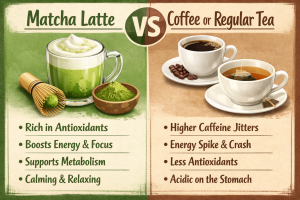
The main difference between a matcha latte and coffee is the type of energy it provides. Coffee delivers a quick caffeine spike, which may cause jitters or crashes. Matcha contains caffeine combined with L-theanine, an amino acid that promotes calm focus. This results in sustained energy, improved concentration, and a relaxed feeling. Compared to regular green tea, matcha latte has a richer flavor and creamier texture, making it easier to drink daily.
see more : Chagee Modern Tea House
Choosing the Right Matcha Powder
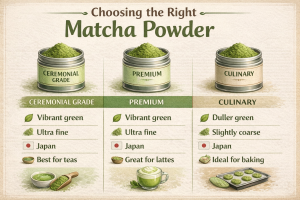
The quality of matcha powder plays a major role in the taste of your latte. High-quality matcha has a bright green color and a smooth, slightly sweet flavor. Low-quality matcha can taste bitter and dull. Ceremonial-grade matcha is the best choice for lattes because it blends well with milk and offers a smoother finish. Always store matcha in an airtight container away from heat and light to preserve freshness, aroma, and color.
Best Milk for Matcha Latte
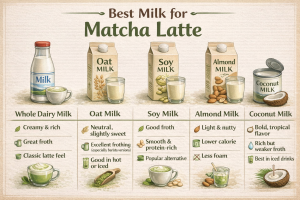
Milk selection greatly affects the flavor and texture of a matcha latte. Dairy milk creates a rich and creamy drink, while plant-based milk offers lighter and unique flavors.
-
Oat milk is a popular choice due to its natural sweetness and smooth texture.
-
Almond milk adds a mild nutty flavor.
-
Soy milk provides a creamy and balanced taste similar to dairy milk.
The best milk depends on your dietary needs and personal preference.
How to Make a Hot Matcha Latte at Home
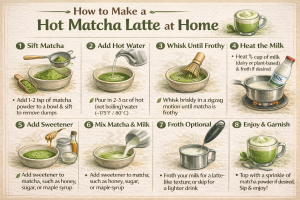
To prepare a hot matcha latte, start by adding matcha powder to a bowl or cup. Pour in warm (not boiling) water, as very hot water can damage the delicate flavor of matcha. Whisk the mixture until it becomes smooth and frothy. Heat the milk separately and then combine it with the matcha mixture. Stir gently and add sweetener if desired. The result is a warm, comforting drink with a smooth texture and pleasant aroma.
How to Make an Iced Matcha Latte
An iced matcha latte is perfect for warm weather. Begin by dissolving matcha powder in a small amount of warm water to prevent clumps. Once smooth, add cold milk and stir well. Pour the mixture over ice and adjust sweetness according to taste. This method ensures a creamy, refreshing drink with a well-balanced flavor and smooth consistency.
Common Mistakes and Helpful Tips
Many people struggle with bitterness or uneven texture when making a matcha latte. This usually happens due to boiling water, poor whisking, or low-quality matcha. Always whisk thoroughly to dissolve the powder completely. Using too much matcha can overpower the flavor, while incorrect temperatures can ruin its taste. Paying attention to proportions, temperature, and mixing technique makes a noticeable difference in the final drink.
How to Modulate Taste and Strength of Matcha Latte
Matcha latte is a versatile beverage that can be adjusted to suit individual taste preferences. To make a stronger latte, simply use a slightly higher amount of matcha powder. For a milder version, increase the proportion of milk to matcha. Sweetness should be added gradually, so it enhances rather than overpowers the natural, earthy flavor of matcha. For added aroma and variety, spices like vanilla or cinnamon can be incorporated, giving your latte a unique touch without overwhelming the tea’s delicate taste.
Health Benefits of Matcha Latte
Many people choose matcha latte not only for its flavor but also for its potential health advantages. Matcha is rich in antioxidants, which help fight free radicals and support overall wellness. Its caffeine content provides steady energy without the jitters associated with coffee, making it gentle on the stomach. When prepared with minimal sugar and quality ingredients, matcha latte can be a healthy addition to your daily routine, offering both nourishment and a satisfying taste experience.

Proper Storage of Matcha Powder
To maintain the flavor, color, and aroma of matcha, proper storage is essential. Matcha is sensitive to air, light, and moisture. Keep it in an airtight container in a cool, dark place to preserve its freshness. Using fresh matcha ensures a vibrant green color and smoother taste, resulting in a more enjoyable latte every time.
Final Thoughts
Making a matcha latte at home is simple when you know the key steps: high-quality matcha, correct water temperature, and your choice of milk. Whether served hot or iced, matcha latte is a soothing yet energizing drink that can easily become a part of modern daily life. With the right preparation, you can enjoy café-quality flavor without leaving home.